Wild weather, property care and the little things that keep a homestead growing.
It’s been a little while between journal entries. Life on the homestead has a habit of taking over, and over the past few weeks there has been plenty happening behind the scenes. Between the puppies finding their feet, the changing weather and the usual list of jobs that never quite gets finished, I’ve had to put the writing aside for a while. But perhaps that’s country living in a nutshell: there’s always something that needs doing before you can sit down and tell the story.
And what a few weeks we’ve had!
After the heavy rain and flooding around Glenwood, we thought the worst of the weather might have passed. Then, just as we were catching our breath, a big hailstorm came through. Many properties in the surrounding area have been affected, and it has been another reminder that living in this part of Queensland means being prepared for conditions that can change very quickly.
The thing about owning a rural property is that the work doesn’t finish when the rain stops. In many ways, that’s when the real checking begins.
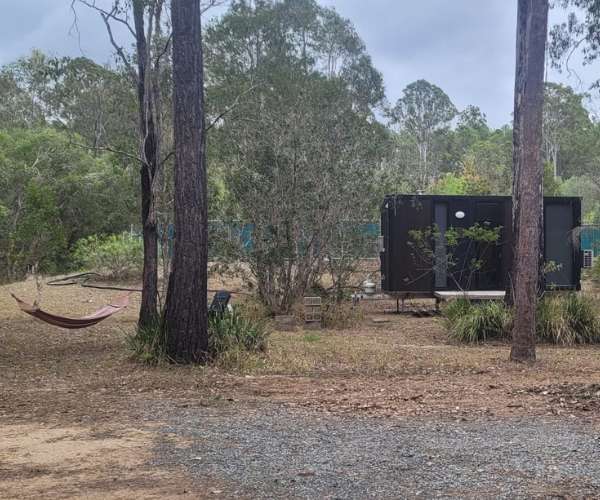
Here at Wildhorse, we rely on solar and battery storage, so after severe weather we make a point of checking that our system and outdoor equipment are all in good order. Gutters, downpipes, roofs, fences, access tracks and drainage all deserve a closer look too. A storm can expose weaknesses that might have gone unnoticed during months of ordinary weather.
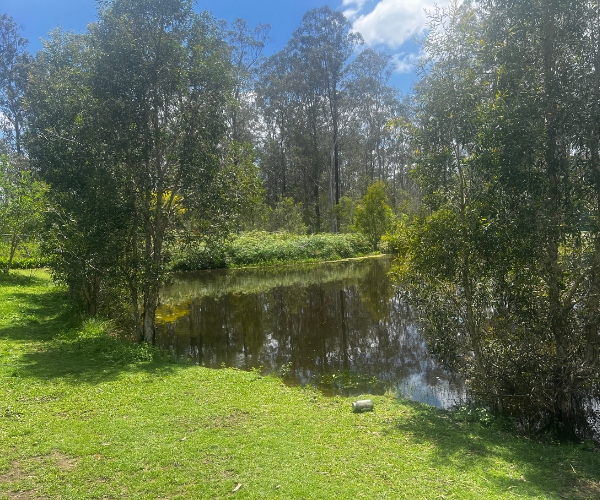
Water is another important consideration, particularly when you live on a property with a dam and a creek.
Our dam is affected by more than just what happens on our own land. Water moves through the surrounding landscape, and after heavy rain, runoff from neighbouring properties as well as our own can find its way into the dam. That runoff can carry soil, organic matter and other contaminants, changing the quality of the water our animals rely on. We are arranging water testing so we can better understand what is in the dam and whether it remains suitable for our livestock.
It’s easy to look at a full dam after a good downpour and think it’s wonderful to see so much water. And it is! But volume and quality are two very different things. Clear-looking water isn’t necessarily clean or suitable for animals, which is why testing and keeping an eye on changes in colour, smell and condition are worthwhile.
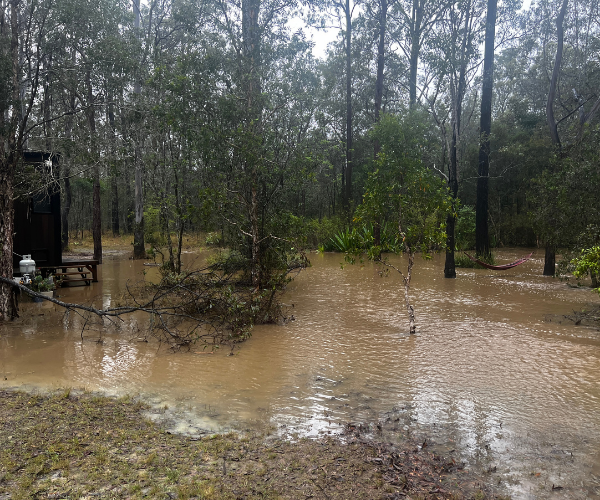
Rocky Creek has its own story after the floods. As the water rises and moves through the landscape, it collects branches, vegetation and other debris washed down from surrounding properties. Some of it is natural material, but floods can also carry rubbish and building-related debris. Anything collected near a waterway needs to be handled thoughtfully. We need to be careful about what we remove, how we dispose of it and where it ends up. Simply shifting waste from the creek to another part of the property, or burning material without considering what it contains, can create another environmental problem.
This has also got us thinking about something that is becoming increasingly relevant around Glenwood: how changes to one property can affect the land and waterways beyond its boundaries.
As the area grows and more people build, clear land and establish new homes, it is worth remembering that trees and ground vegetation do much more than make a property look beautiful. Their roots help hold soil together, slow the movement of water and reduce erosion. When vegetation is removed, particularly on slopes or near creeks, rainfall can move more quickly across exposed ground, carrying sediment into neighbouring land and waterways.
Good planning before clearing or building can make a real difference. Retaining established trees and vegetation wherever possible, clearing in stages rather than exposing large areas of soil at once, using appropriate sediment barriers, managing stockpiles and stabilising disturbed ground can all help reduce erosion and runoff. Keeping machinery, building materials, fuel and waste away from creek banks is important too. Local council and environmental requirements should always be checked before work begins, particularly where waterways or drainage lines are involved.
It’s not about stopping people from building or improving their properties. It’s about understanding how the land works and recognising that what happens on one block can have consequences further downstream. A little planning and care can protect much more than the property being developed.
Of course, not everything on the homestead is about weather, water and maintenance.
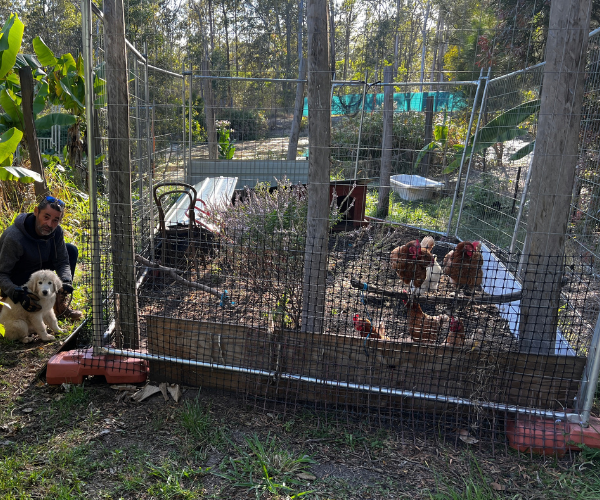
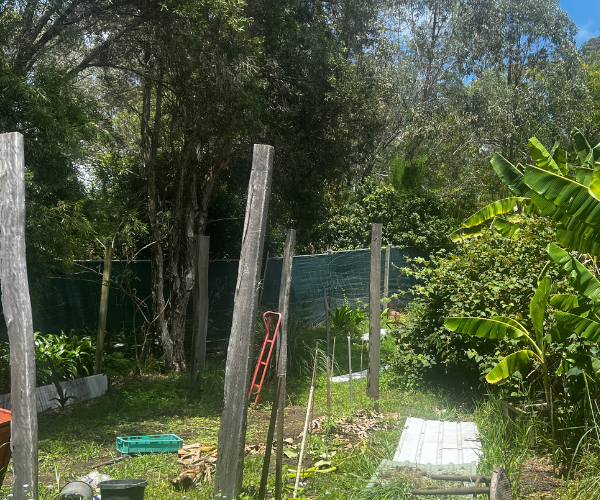
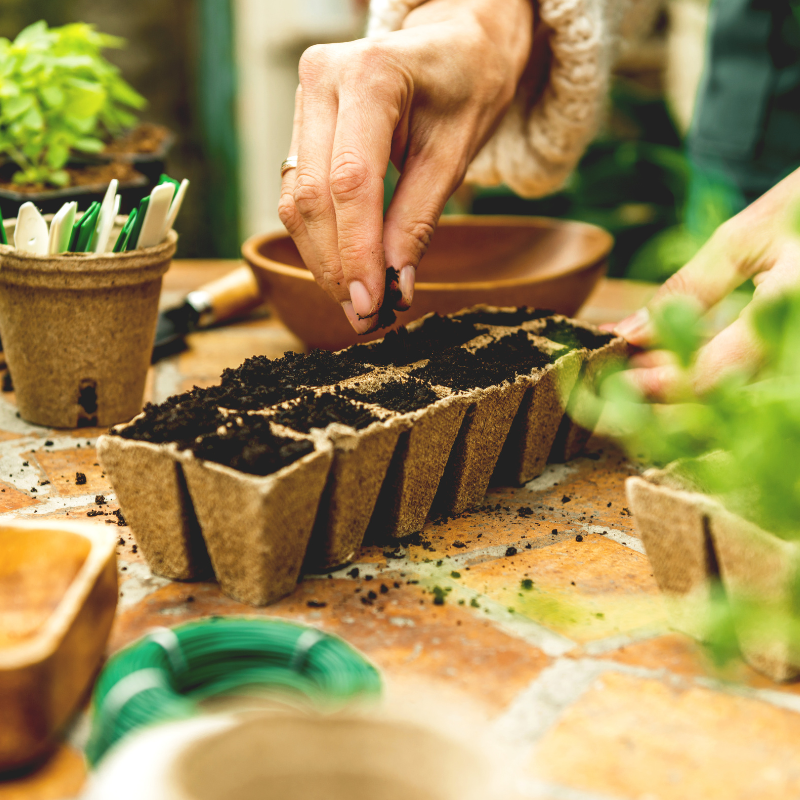
A few weeks ago, the chickens had been busy preparing one of our garden beds, scratching through the soil and doing what chickens do best. Now it’s our turn to put that preparation to good use. We’ve been planting tomatoes and capsicums, making the most of the improved soil and looking forward to another harvest. It’s a simple example of working with the animals and the natural cycles of the property rather than fighting against them.
Our little baby duck is still out on the dam too. Somehow, this lone survivor has made it through the season so far, and we’re keeping an eye on its progress.
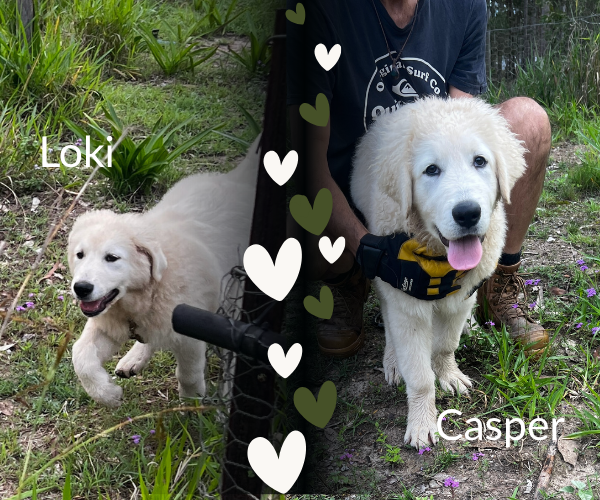
And there is another happy milestone this week. Our final two Maremma puppies, Casper and Loki, are heading off to their new forever families on the Gold Coast. After all the care, handling and time that goes into raising a litter, saying goodbye is always a mixture of excitement and a little sadness. We hope they settle beautifully into their new homes and enjoy the lives ahead of them.
So, after a few weeks away from the journal, we’re back with muddy ground, a full dam, a few storm repairs, new seedlings and another chapter of life unfolding here at Wildhorse.
Living in Glenwood is wonderful, but it also teaches you to pay attention. To understand where the water travels, how the land responds, what the weather can leave behind and how our choices affect the environment around us.
A property is never just the land within its boundaries. It’s part of a much bigger landscape, and looking after it means thinking beyond our own fences.
Until next time, take care of your patch of country, and look after the neighbours and waterways connected to it.🌿
Thanks for spending another week with us.