My Healing Journey: From Survival to Wholeness
At the end of 2019, just as Coronavirus was beginning to enter the Australian conversation, my world stopped.
I was diagnosed with an aggressive, metastasised stage-three tonsil cancer. The tumour measured around five centimetres, stretching from the base of my tongue down the back of my throat. I had gone to the doctor thinking I had tonsillitis — something I’d never had in my 45 years. That alone felt strange.
The diagnosis didn’t just shock me. It made me angry.
For the five years leading up to that moment, I believed I was doing everything right. At 40, I’d made a conscious decision to change my life — I quit smoking, ran a marathon, learned to meditate, explored wellness modalities, and began a deep spiritual journey. I completed my first juice cleanse and felt so transformed that I became a passionate advocate, eventually starting a business to offer cleanses to others. At the time, the only place I could source one was Melbourne, and I wanted to make that kind of healing more accessible.
Nearly five years later, exhausted and burnt out from overworking, I closed that business.
Not long after, I was diagnosed with cancer.
The doctors didn’t sugar-coat anything. If I didn’t begin an extreme course of chemotherapy and radiation immediately, I was given roughly three months to live. They told me I had one shot. If the treatment worked, I had a 99% chance of survival and being “cured.” If it didn’t — if the cancer returned — my chances of survival were close to zero.
They also told me the treatment itself could kill me if I were older or less fit. I was warned it would be brutal.
They were right.
Losing Faith — and Facing the Truth
Given the path I thought I was on, this diagnosis left me deeply conflicted. I lost faith — not just in my body’s ability to heal, but in myself.
What I hadn’t yet fully acknowledged was that I was trying to undo more than 25 years of damage from heavy smoking, drinking, chronic stress, and relentless overwork. While I believed I was “healing,” much of what I was doing was actually causing further harm.
I wasn’t being honest with myself.
Yes, I meditated. Yes, I trained hard. But I still drank heavily. I still had the occasional “sneaky ciggy” when out with friends. I was doing peripheral repair work while continuing the behaviours that caused the damage in the first place.
When I finally took a hard, unfiltered look at my life in the lead-up to my diagnosis, the anger dissolved. The shock faded. I could see clearly how inevitable this illness had been.
The Moment I Thought I Would Die
During treatment, my belief that I would survive wavered constantly.
One afternoon, shortly after being discharged from hospital, my niece was helping me organise my medications — painkillers, humidifier, face mask, and the protein shakes I injected through the tube in my stomach. I’d just settled onto the couch when I felt a strange warmth fill my mouth.
Vomiting had become common during chemo, so I reached instinctively for a bag. But this felt different.
When I looked down, I saw bright arterial blood pouring into the bag. I couldn’t speak — the blood was flowing too fast. I felt my body going into shock and focused on staying conscious.
My niece walked into the room, saw what was happening, and immediately called 000.
After blood transfusions and another chaotic ambulance ride through emergency and into cardiology — my heart rate was so slow they feared failure — the doctors told me the cancer had eaten through a blood vessel in my throat. Scans showed it was dangerously close to my carotid artery.
If the cancer reached it, they said, I would not survive — even if I were already in hospital.
All blood-thinning medications were stopped. I was given coagulants in the faint hope the bleeding would stabilise.
A few days and several bags of blood later, I was sent home.
They couldn’t tell me whether the treatment was working.
I went home with a potential time bomb in my throat.
The uncertainty was psychological torture. But I had no choice — I had to face my fear of death head-on.
Learning How to Recover — One Step at a Time
After treatment, I became determined to understand how my body might truly heal.
I attended more meditation retreats. I continued working with my spiritual coach. And I trained every day — even when training meant walking from my front door to the letterbox and back. Once. Slowly.
Eventually, I reached the corner of the street. Then a few kilometres. Slowly, my body came back online.
My post-treatment scans showed I was cancer-free.
For now.
Lightning Strikes Twice
Two years later, my dedication to health remained — but consistency still eluded me. I lived as though I had a practice rather than a truly integrated, evolving way of life.
In November 2021, almost exactly two years after my first diagnosis, lightning struck twice.
The cancer had returned — metastasised from the original tumour to my right lung.
This time, the doctors moved immediately. Surgery was required to remove one-third of my right lung.
I panicked.
The first round of treatment had nearly destroyed me, and I’d already been told I was lucky to be alive. Now I had to decide whether I was willing to endure more trauma — knowing my quality of life was already compromised.
This is a decision few people ever have to face. The line between choosing survival and choosing peace can become frighteningly thin.
After Christmas with my family, I chose surgery.
Isolation, Loss, and Letting Go
Because of timing, I couldn’t be vaccinated before surgery. I was still on the fence about the whole vaccine ‘thing’. The doctors told me bluntly: if I caught COVID, it would likely kill me — or prevent them from saving me from cancer.
The noise around vaccines was deafening. Everyone had an opinion about my body, my choices, my fate.
Hospital restrictions meant I recovered alone. I reframed the isolation as a time for reflection, but the absence of physical human connection was deeply painful.
When I returned home, another bombshell hit.
My long-term partner told me I couldn’t live with him if I got vaccinated.
I left.
Alone. Recovering. Disoriented. Alive when I technically shouldn’t have been.
Meeting De Wet — and Finally Healing Properly
In November the following year, after months of rebuilding from what felt like a near knockout, I met De Wet.
At the time, I felt concussed by life. One part of me was slipping back into old destructive habits. The other part was still training obsessively, meditating, working myself into the ground — repeating the same pattern that had nearly killed me.
We met unexpectedly at a music festival.
By Christmas 2022, at Woodford Folk Festival, I realised something profound: De Wet understood the human body in a way I had never encountered before.
I thought I was fit. I ran daily. I dominated group fitness classes. I’d just won a challenge and was being trained one-on-one by the coach.
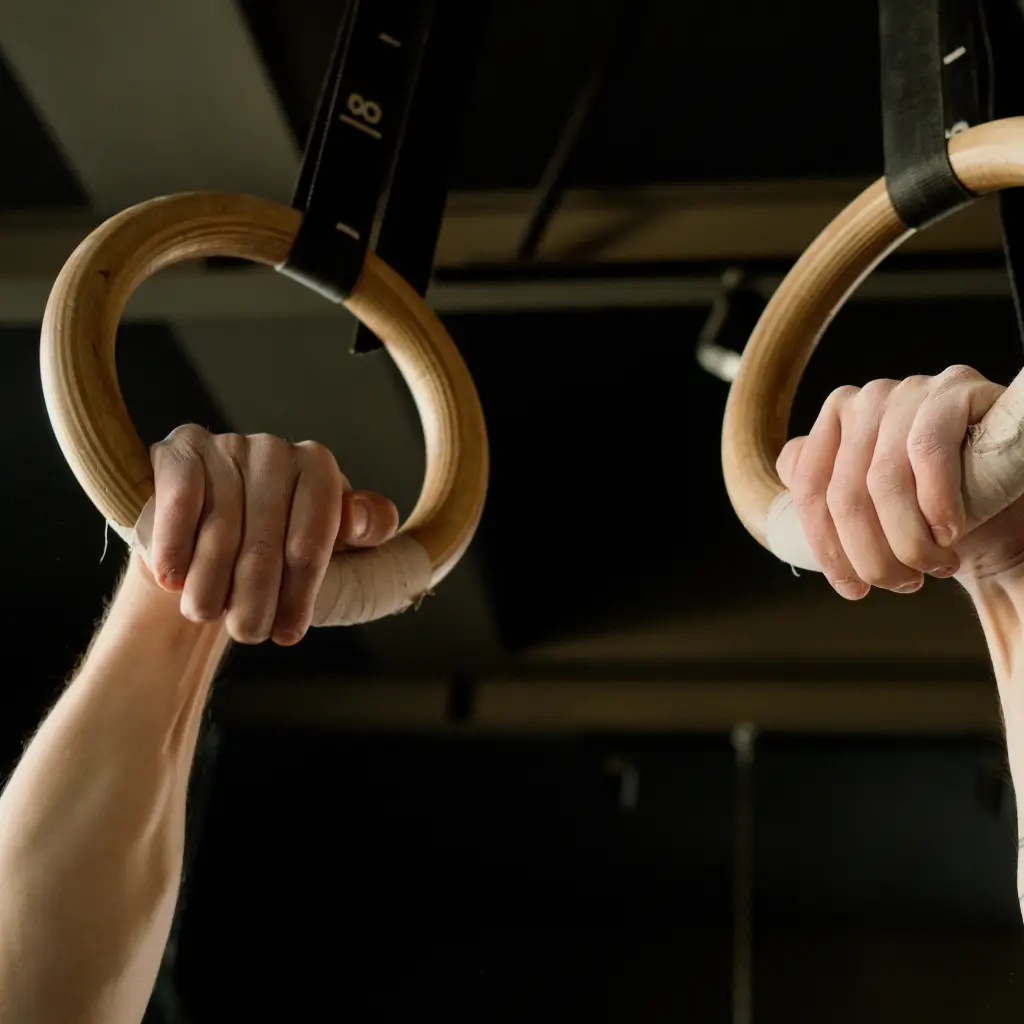
Then De Wet hung gymnastics rings in a tree.
Within minutes, it was obvious: I had no core strength, poor balance, and was compensating massively through my neck and shoulders. My training had built output, not integrity.
We began training together every day.
True Recovery
Not long after we moved in together, my health collapsed again.
I was working as a Finance Manager on an $800 million project, commuting constantly, under immense pressure. The long-term effects of radiation were severe — no saliva glands, ulcers, thyroid damage, choking on food, chronic fatigue.
Eating became stressful. I avoided it publicly. Weight fell off me rapidly.
When I began having seizures and collapsing, my doctor gave me another ultimatum: take a month off work, or I’d be hospitalised.
That time off changed everything.
I finally allowed De Wet to help me heal properly.
He worked through scar tissue in my neck and throat. Introduced hydrogen-oxygen therapy, Rife (EMF) therapy, and red-light therapy. Sometimes all at once. He helped me rebuild my body from the inside out — core, balance, nervous system, strength.
We shifted to a mostly plant-based diet. We moved away from the city, eventually settling in Glenwood on the Fraser Coast — somewhere my body could truly rest.
Where I Am Now
Today, less than three years later (since meeting De Wet, 7 years since my first diagnosis), my doctors were wrong.
I have saliva again.
I eat chilli.
I take no medications.
I sleep eight hours a night.
I haven’t seen a doctor in two years.
I am cancer-free.
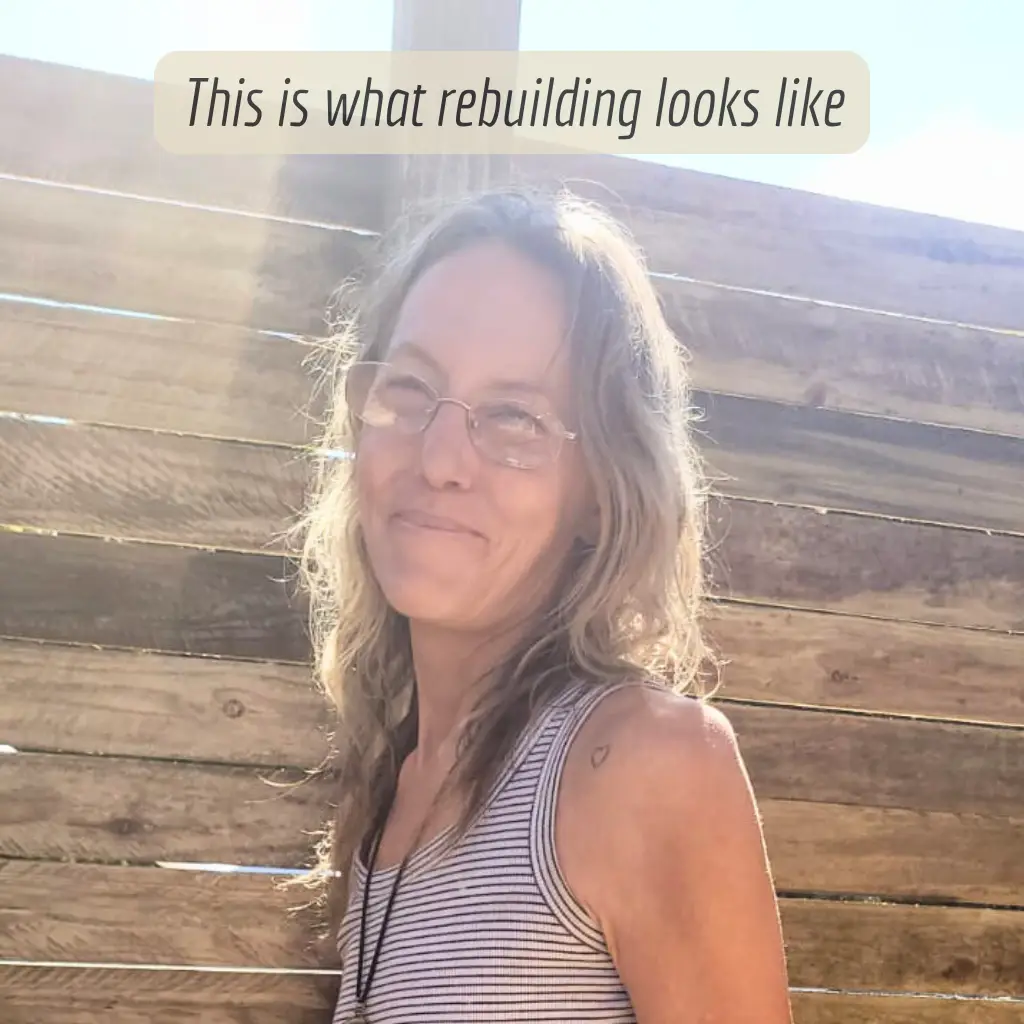
I am strong, grounded, and alive.
I still work on the scar tissue in my neck daily — radiation fibrosis requires ongoing care. Ironically, the medical recommendation is stretching, physical therapy, and massage.
Luckily, I live with an expert.
More importantly, I now know how to care for my own body — truly, honestly, sustainably.
This isn’t just a story about surviving cancer.
It’s a story about finally learning how to live.
📍 Wildhorse Homestead – Glenwood, QLD
📅 Sessions available by appointment
👉 Book your session here
Let your body rest. Let the energy do the work.